Toni’s Cancer Journey
In 2016, I was successfully treated for stage 1 breast cancer and I’ve been cancer free ever since!
The best possible gift from that experience is to be able to share what I learned from it with others—to offer advice and encouragement to those on a similar journey, to spread the word about cold cap therapy for protecting hair during chemo, and to share some recommendations for anyone looking for safer hair & beauty products. I hope you might find something useful, hopeful, or inspiring here.
*Everything below was written in 2016 just following Toni’s cancer treatment and is based on her own personal experience.
My Cancer Journey
In February of 2016 I was diagnosed with breast cancer. I get my mammograms every year like clockwork, with full confidence that I’ll always have the same good results I’ve had thus far—so it was shocking to me to find out there was even a chance anything was wrong. After my initial mammogram, there were more mammograms, numerous ultrasounds, two needle biopsies, and an MRI. All of which led to the dreaded diagnosis that the mass in my right breast was cancer.
The good news is that it was stage 1, slow growing, and completely curable. The prescribed course of treatment included chemotherapy, lumpectomy, and radiation. And though my cancer was at an early stage, I learned that having chemo isn’t always based on the size or type of cancer you have but also on the hormonal makeup of it.
Before treatment could begin, I had surgery to install the chemo port and have my lymph nodes tested. I didn’t like the port, but I got used to it. And some nerves were severed during the lymph node removal process, giving me a lot of nerve pain in my arm and breast for a few weeks. That said, the lymph node testing came back fine—the cancer had not spread there, and that was great news!
Further, during this period I had genetic testing to determine if my cancer was inherited. My mother is also a breast-cancer survivor, and my father is a skin-cancer survivor (skin cancer can be linked to breast cancer) so it was a concern for my doctors. I’m very happy to report these tests came back negative—not genetic. This is great not only because it puts my relatives in the clear, but because genetic breast cancer is treated even more aggressively than the non-genetic kind.
My treatment began with chemo. Chemotherapy is easier for many people these days than it used to be, so I went into it bravely and with high hopes, but my experience was not a good one. Besides sickness, the worst part was immediate extreme fatigue both of body and mind, as well as having low white blood cell counts that made me more susceptible to infection. As a result, we took a hard look at the harm versus the benefits, and since the chemo was a wholly preventative measure in my case, it was decided, with great peace of mind, that I would not continue.
After that came the lumpectomy, an easy surgery for me personally.
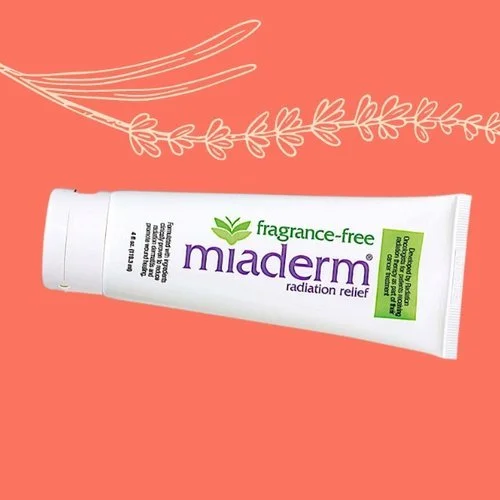
Radiation was the last major step in my treatment and included twenty-one treatments over about five weeks. The radiation is also strictly preventative, to treat any stray cells that might have ventured beyond the tumor. Radiation was one of the easiest parts for me—I was careful to follow doctors’ orders about moisturizing and exercising to ward off side effects, and this kept them to a minimum for me. Overall, I found radiation very manageable.
Although I will be closely monitored by a lot of doctors for the coming years, I’m very happy to say I now consider myself cancer-free! I’m very grateful that this was caught in a very early stage, before it became life-threatening, and the steps I’ve taken make it highly unlikely it will ever return. All of which means: I’m fine. 🙂
UPDATE:
My hair has grown back, and while the treatment process seemed overwhelming, I can say, cancer seems like a long time ago to me now. As of the release of THE SUMMER OF LOST AND FOUND I’ll be ten years removed from my diagnosis and all is well.
My Advice for An Early Stage Breast Cancer Diagnosis
Click on the below topics for a short explanation of why I recommend each of them.
-
When I was diagnosed, a nurse told me to look for the gifts in it. She said, “That may be hard to imagine right now, but most people, afterward, say they found gifts in the journey they never could have discovered any other way.” And I couldn’t agree with this more. Even if it’s just the kindness shown to you by people in your life and the ones you meet along the way, or whether the experience leads you to reevaluate some aspect of your life or pushes you to go after something you want. Sharing this with you right now is, for me, a gift I’m taking from cancer—because if my experience can help anyone, that gives it some purpose and meaning for me. There are truly gifts in the journey if you’re open to them.
-
It’s scary, and when you’re diagnosed you’re thinking: Why me? How did this happen? How is it going to change my life? And again, why me? It’s normal to wonder why you. It’s normal to wake up every morning stunned to remember: Oh my God, I have cancer! It’s normal to burst into tears with no warning at moments when you think you’re fine. It’s okay to be upset and okay to be afraid. But I will also say that through it all, I gave myself a whole lot of pep talks, reminding myself that I’d be all right, that this was just a disruption to my life for a little while. So if you can do that, that’s good, too. 😊 The upshot, though, is: Feel the emotions, let it out.
-
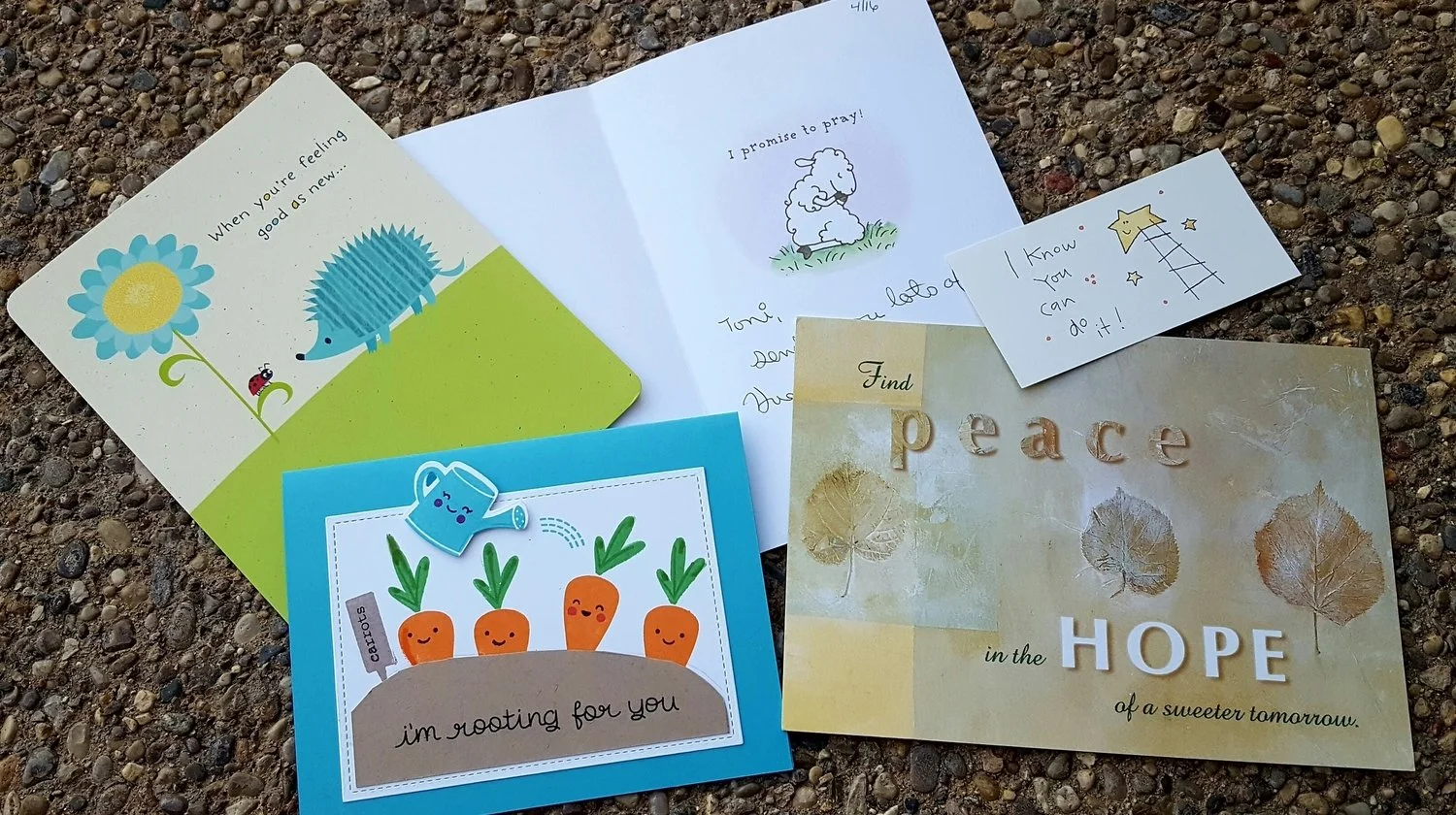
I think for many of us—and for me at first—there is a fear in telling people you have cancer. Maybe it’s not wanting to make them uncomfortable, or not wanting to feel like a statistic, or not wanting anyone to feel sorry for you. But what I can tell you about this is that people are nice. And when I started sharing my situation, I realized just exactly how kind and caring most people truly are, and I took an enormous amount of strength in the support I received. I am so very thankful that I got past my fear and chose to share it, and I’m grateful for every kind word or thought or prayer that was sent my way. There are moments when you just feel plain alone, no matter what, even when you’re with your loved ones or friends, because no one else knows what it’s like to be in this place—but I can tell you that when you know people are praying for you, or when you open the mailbox to find a card or open the door to a flower delivery, you really feel a whole lot less alone. I have truly never felt so loved as I have during this time. Now that’s a gift!
-
For most of us, it’s our nature not to want to inconvenience people, or not to want to accept help we may not be able to return. But if ever there is a time in your life to let go of that concern, it’s now. Like it or not, there will be times when you’ll need some help. And other times when you might not need it but when it just makes things easier. And the people who offer it are sincere. Most generally, these are people who care about you, and they’re struggling to accept this news, too, and they feel a lot less helpless if you let them take some of the burden from you in some way. So it’s a win-win!
-
It’s easy to be overwhelmed when processing your diagnosis and treatment plan. I trusted my doctors, but I didn’t ask enough questions in the beginning. Once I started doing that, and consulting additional sources, I learned there were valid reasons to consider different options in terms of my treatment plan. So remember to ask as many questions as you need to in order to fully understand your own personal situation.
-
This is another piece of advice someone gave me, and there were many times I had to stop and remind myself of it. I’m used to being a really focused, productive person and I thrive on that. This whole experience has seriously slowed me down, often more mentally than physically. Over and over I would find myself “wasting time” and then feeling guilty about it. But really, when you have cancer, it's all okay. The world won’t stop spinning if you don’t answer that email or finish that chore. The world didn’t stop spinning when I took some time away from writing books. I had to reach a place where I told myself it was absolutely fine to do whatever I felt like at any given moment. I had to accept that this is my journey right now and everything happens for a reason and that this is a time to indulge myself. In every way. Pick the restaurant when your friends ask where you want to eat. Accept the flowers lovingly and graciously. Stay home if you feel like staying home, go out if that’s what you’re in the mood to do. Sleep in. Stay up late. Binge watch Game of Thrones or Hell on Wheels or Breaking Bad. Hug your loved ones more. Hold your favorite teddy bear. Allow yourself to do whatever will make you feel best in any given moment and you will come through this easier.
-
I had a close circle of friends who were happy to listen to me and be there for me throughout this entire journey, and that was priceless to me. My hospital also connected me with a recent breast cancer patient in my area who was a fount of information and additional support during this time. Although I didn’t choose to pursue additional means of support, my hospital also offered support groups and other therapy, and a call to your local branch of the American Cancer Society can connect you with this type of support, as well.
-
I’m closing with this one because it’s important. You have full permission to cry and to be angry and to fear the unknown. But it’s also important to be brave whenever you can. It’s important to remind yourself you’ll get through this and life will get back to normal. More than one person told me early after my diagnosis that they felt like this would ultimately just be a blip on my radar screen. That seemed impossible at the time. But now that I’m through it, I’m beginning to see that despite tough days and scary times, soon it might actually seem like exactly that: a blip in my life, a journey I went on that taught me a lot and then reached its end. So muster whatever bravery you can—and I promise you’ll be glad you did. A little bravery truly makes every challenge easier.
Product Recommendations
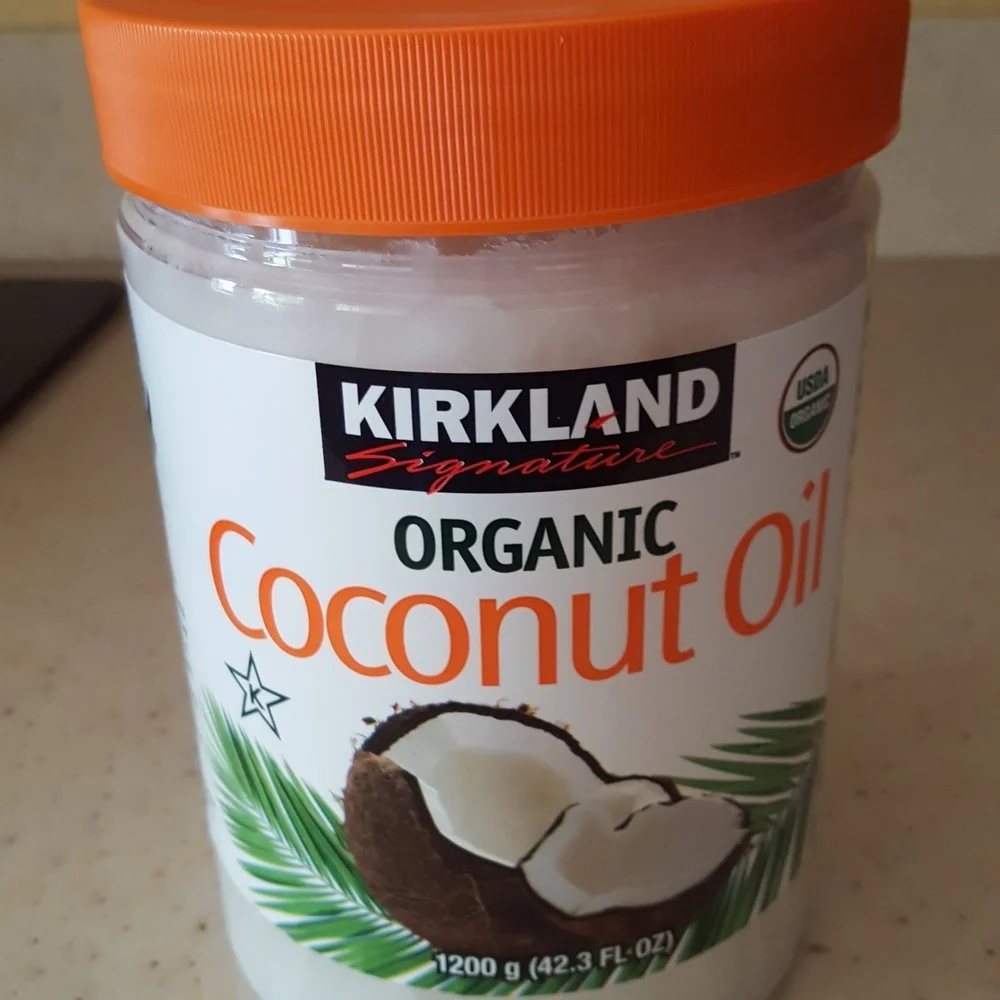
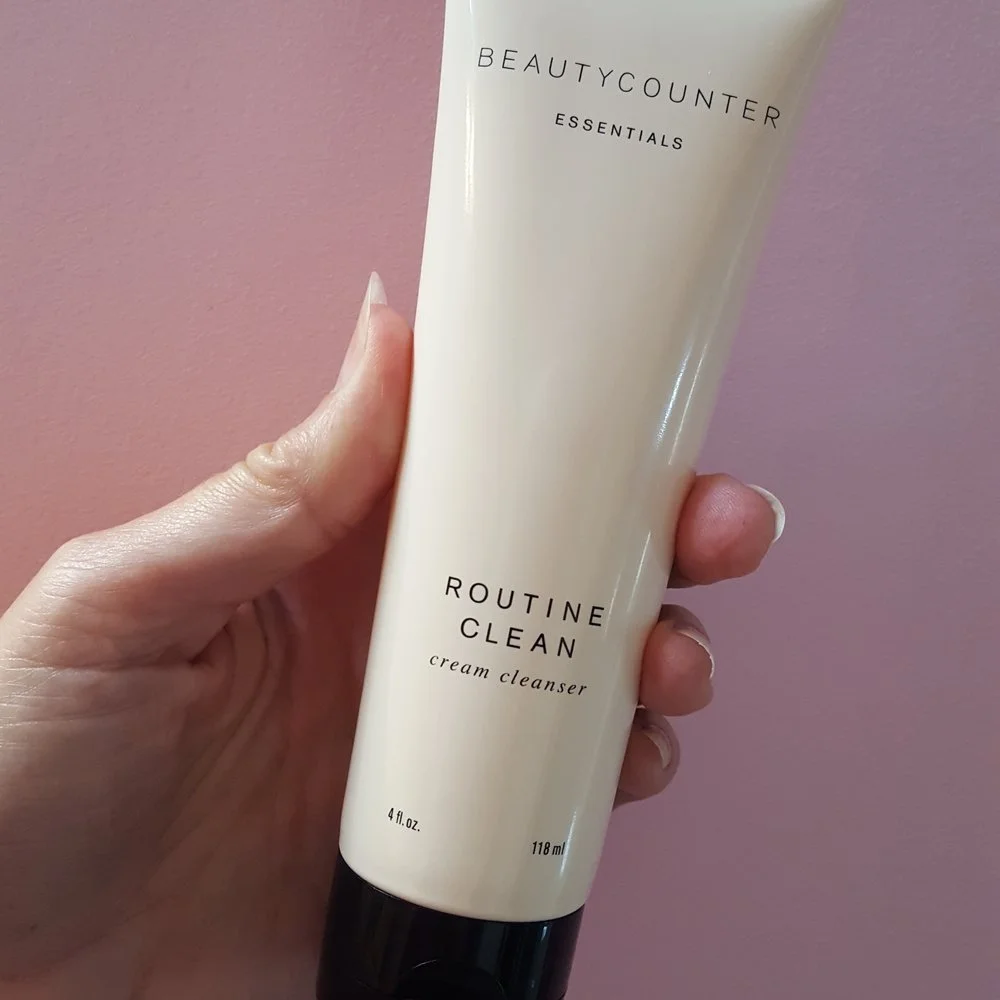
Getting cancer made me begin looking for natural, organic beauty products that contain fewer chemicals. During this process, I learned (via the company BeautyCounter) that in Europe, over 1300 chemicals or substances are banned for use in beauty products, but in the United States, the number is, um, 11. Yeah, 11. And the last one banned was in 1938. It horrifies me that it appears the FDA is doing little to police this, since most of us have no way of knowing what we’re putting on our bodies in our shampoos or deodorants, etc., or how these ingredients might be affecting us.
I’ve also learned that many products will call themselves natural or organic without actually being so. That’s disturbing, too, but I guess it’s part of what happens when no one is strongly regulating this industry. So be warned: just because a company uses those words, you still need to research the ingredients to see if it bears out.
My personal attitude is: If I can find a more natural product I really like or love that replaces one filled with chemicals, I use it. If I can’t, I stick with the ones I’m already using, knowing that at least I’m getting SOME of the chemicals out of my system. Because I had to look long and hard for most of these online or through other time-consuming personal research, I want to share with you the ones I’ve used and liked.
2023 Update: It’s been seven years since I compiled this list, and I’ve decided to pare it down to the products I’m still using today. It doesn’t mean anything was wrong with the ones I’m removing, but the ones I’m still recommending have stood the test of time for me.
Click on the below photos for a short explanation of why I recommend each of them.





My Thoughts on Cold Caps
Depending upon where you live, you may or may not know what cold caps are. I had never heard of them despite living in a fairly large city. So to cut to the chase, cold caps are a way to save your hair during chemo. That’s right, there’s been technology for over 20 years that can allow many people to keep their hair during chemotherapy!
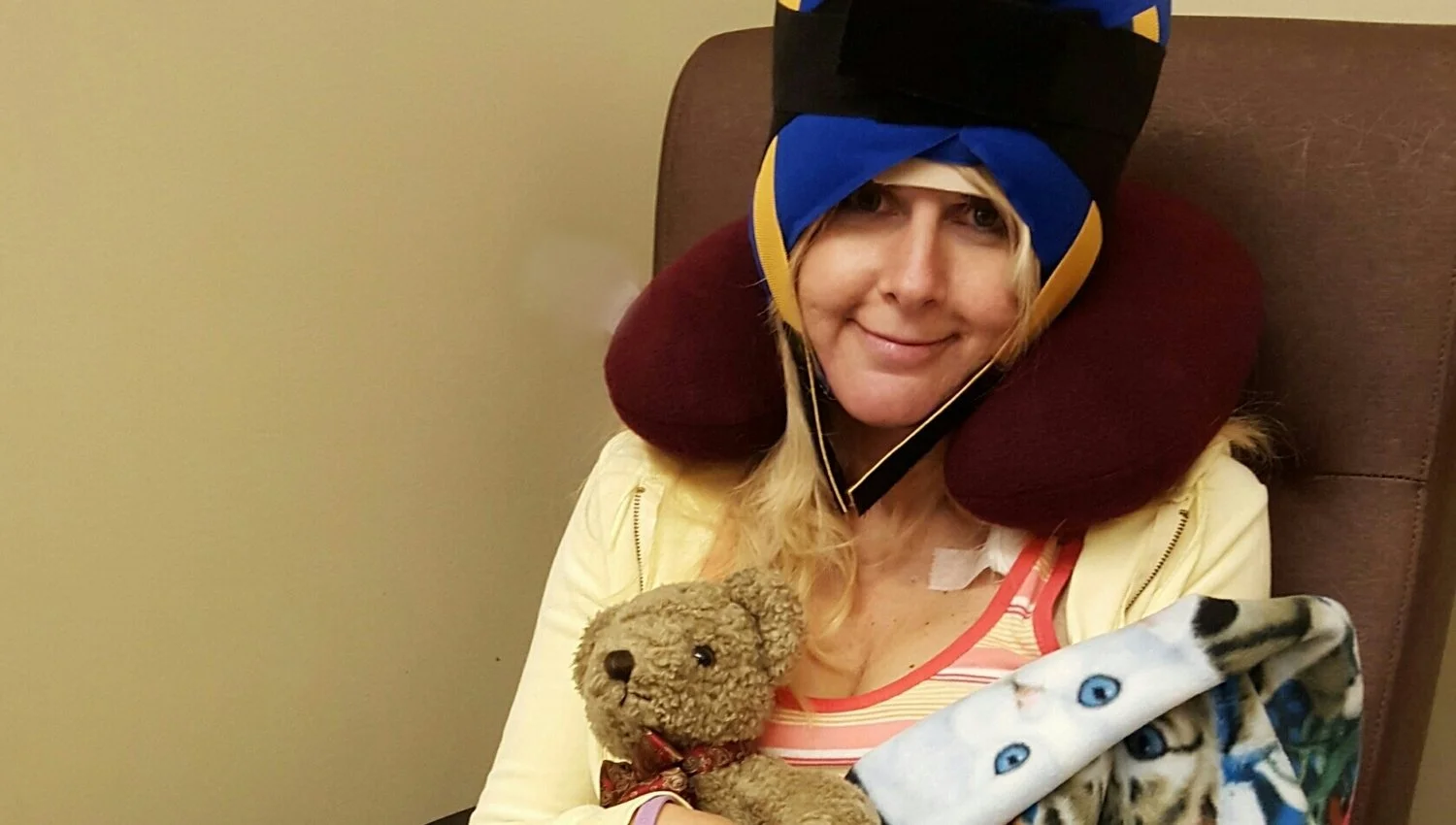
Cold caps are fabric caps containing a gel solution that are worn during chemo treatments. The caps are chilled to around -25° to -30° Fahrenheit (you read those minus signs right, by the way). They work by freezing the hair follicles during chemo and this keeps the chemo drugs from making the hair fall out.
In the UK, this process is more widely used. In the US, not so much. Why? Very few clinical trials and no FDA approval. Chances are your doctors won’t tell you they exist, but when you mention them, they’ll know what they are. Mind you, I gather this varies wildly from area to area—some cities have oncology offices that are actually facilitating the use of cold caps now—but by and large, this is pretty spotty, and for the most part, in the United States, you’ll be on your own when it comes to finding out about them, learning about them, and using them.
The downside: They’re pricy, the process can be complex and grueling, using them successfully requires following a lot of rules, and they may not work for everyone.
The upside: If you commit to using them, and you follow the rules, there’s a pretty good chance you’ll keep at least some of your hair during chemo. They work really great for many people, and I have a friend who kept almost all of her hair through thirty chemo treatments!
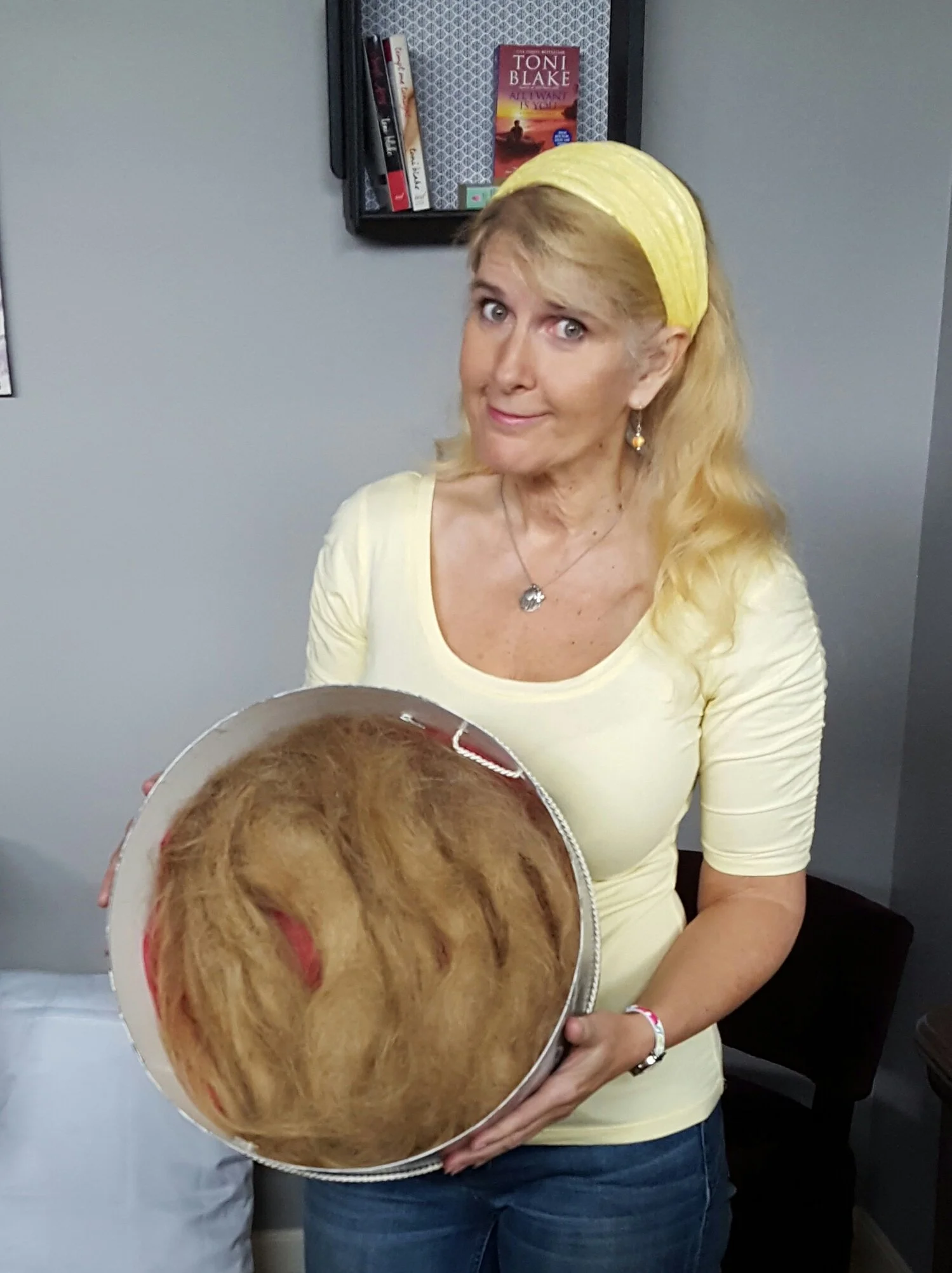
My experience with cold caps: There’s no getting around it—I lost a lot of my hair. But a lot is not all, and you’d be surprised at how little hair you can get by with and still look fairly normal. ;). For me, that’s what it was about—a desire to just keep feeling as normal as possible, to not add the indignity of hair loss to what is already a tough time if I could possibly help it.
And the further fact is, colds caps may not work as well on people with thick hair—and I had extremely thick hair. But I tried it anyway, doing my best and following all the rules, and I don’t regret using them at all, because despite losing about 80% of my hair, I’m able to get by with headbands and ball caps right now rather than wigs.
My personal advice: If you really love your hair, if it’s really important to you, investigate using cold caps. They require a financial investment, a lot of organization, and some helpers to facilitate the process—and they’re cold on your head. Really cold. But it’s an option, and that’s very important to me: to let you know there is an option for trying to keep your hair during chemotherapy.
A personal side note: It’s okay to love and value your hair. During this period, people will say kind things to you, like that you’re more than just your hair, it will grow back, hair isn’t important. And I am truly grateful for those kindnesses. But oftentimes the message you might feel you’re getting is: It’s frivolous or trivial to worry about your hair at a time like this. And I’m just here to say that if, like me, you care a lot about your hair, it’s not frivolous, it’s not trivial, it’s okay to love your hair and want to keep it. It’s all about just feeling normal, feeling like you, and holding on to as many parts of your normal identity as you can as you take this journey.
I will admit that while I’m coping fine, the hair loss has been one of the hardest parts of this for me because I seriously loved my hair. And I look forward to loving it again. And while I’m mourning the loss of that 80%, I’m ever so thankful for every remaining hair I have—and that’s due to the cold caps.
If even one woman saves her hair because she learned about cold caps through this page, I will be very happy. :)
Some helpful links about cold caps: Penguin Cold Caps and The Rapunzel Project.